Joint Disorders
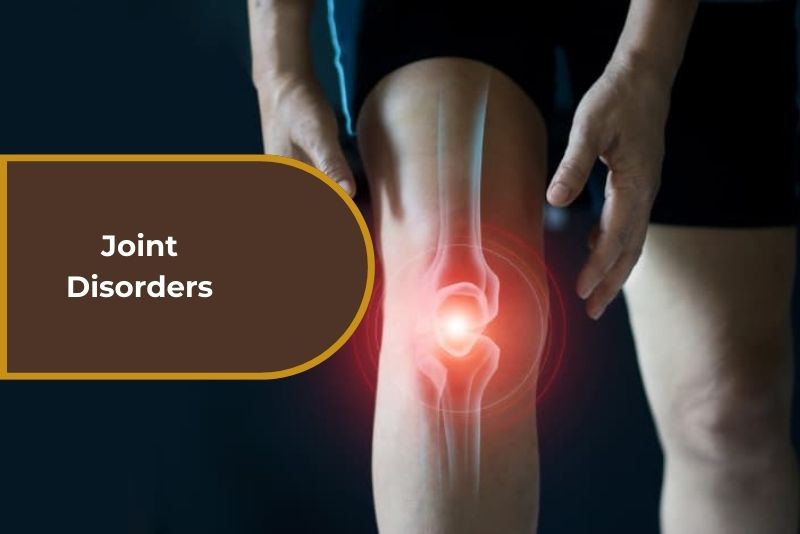
Joint Disorders: (Vata vikaar/ Sandhigata vikaar)
Joints Pain and pain while moving is among the most common problem for which a patient consults a doctor. Several conditions affect the normal functioning of the joints leading to the manifestations of different diseases. In Ayurveda, the bones and joints are considered a site of vata in the body—meaning that they have a general affinity for vata, and are particularly prone to vata imbalances. This reality is only reinforced by the fact that the joints themselves are made up of a lot of space—which also corresponds with data. But the joint spaces are also connected with several different tissues in the body.
The joints are deeply affected by the quality of the bone tissue (asthidhatu), but in Ayurveda, the joints also share an important connection with the nervous tissue (majjadhatu), and the nervous system as a whole. In addition, healthy joints are lubricated and cushioned by a fatty substance known in Baidha Shree as shleshakakapha (a subtype of kapha) which links the joints to the health of medadhatu (the adipose tissue, or fat) as well. What’s more, each of these building blocks relies on the process of tissue nutrition, which brings us to the role of Agni (the metabolic fire) in joint health.
Osteoarthritis (Sandhigatavata)
Osteoarthritis comes under SandhigataVata. The condition is similar to Osteoarthritis and has been described as ‘Sandhigatavata’ in Ayurveda, in which the vitiated Vata afflicts the joints and causes destruction of the cartilages and reduction in the Synovial Fluid inside the joint capsule, leading to swelling which results into painful movement. The vitiated Vatadosha, due to numerous causative factors receives lodged in sandhis or joints main to SandhigataVata.
Rheumatoid Arthritis (Amavata)
Rheumatoid Arthritis (RA) is a systemic disease that primarily causes joint inflammation, pain, loss of function and eventual joint destruction and deformity. The disease is of variable severity ranging from mild inflammation in a few joints to symmetric involvement in multiple joints, mainly in the hands and feet. The main pathogenic event in RA or Aamavata is the formation and deposition of Aama at all levels of body physiology including gastrointestinal and macro and microchannels of the inner transport system of the body.
GOUT (Vatarakta)
In the Ayurvedic medicine system, gout is called vatarakta. It’s believed that gout occurs when the vatadosha is unbalanced. High levels of uric acid in the body — a condition called hyperuricemia — can result in the development of gout. Gout is a condition that can lead to pain when it flares up and inflammatory arthritis.
Cervical Spondylosis (Greevagata vata)
Cervical spondylosis is a degenerative health concern characterized by excruciating pain, stiffness, numbness, and restricted movement of the neck. It typically develops due to wear and tear on the spine over time and is more common in old age. Some common symptoms of cervical spondylosis include neck pain, stiffness, and a reduced range of motion in the neck. Other symptoms may include headaches, weakness or numbness in the arms or hands, and a tingling sensation in the fingers.
Lumbar Spondylosis (Katigata vata)
Lumbar spondylosis is considered Vata Vyadhi in Ayurveda. Lumbar Spondylosis is yet another age-related degenerative condition that affects the lumbar vertebrae or the lower spine. In the case of lumbar spondylosis, the space between the discs in the lumbar spine becomes narrowed, resulting in a variety of health issues ranging from low back pain to neurological conditions.
Schedule Your Visit Today